
Introduction
Navigating a legal issue in India can be daunting. Whether an individual is dealing with a sudden property dispute, managing a complex family matter, responding to a formal legal notice, or structuring a new business startup, the procedural steps and legal terminology often feel overwhelming. During periods of legal uncertainty, making informed decisions becomes crucial to protecting one’s rights, financial security, and personal well-being.
One of the most frequent challenges people encounter is not knowing where to begin. Searching online for general terms or relying solely on word-of-mouth recommendations can lead to confusion. A legal professional who excels in commercial contracts may not be equipped to handle an urgent criminal bail application, just as an experienced family law practitioner may not focus on corporate compliance.
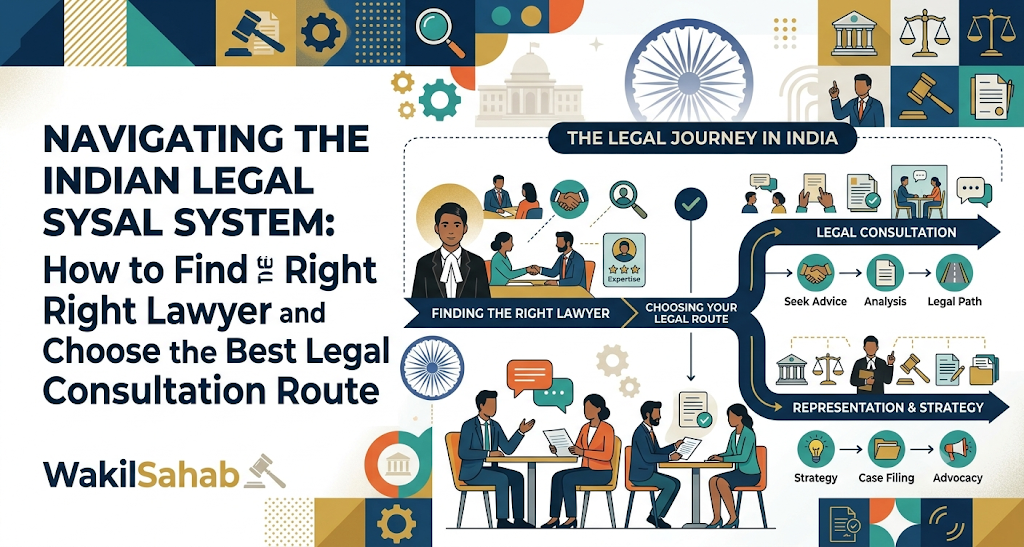
Selecting an advocate should be an intentional process based on specific factors: the primary practice area, relevant territorial jurisdiction, court experience, communication style, and individual case requirements. This guide provides a clear, practical framework to help individuals, families, and business owners understand how to evaluate legal issues, choose suitable advocates, make the most of online legal consultations, and utilize modern digital tools effectively.
Understanding Legal Professional Discovery
Historically, finding an advocate in India meant relying heavily on personal networks, neighborhood referrals, or physically visiting district court complexes. While traditional referrals still play a role, the modern legal landscape increasingly relies on digital platforms to help clients evaluate their options before scheduling a meeting.
What Is a Lawyer Directory?
A lawyer directory is an organized, searchable repository of legal professionals that categorizes advocates by practice area, geographic location, courts of practice, years of experience, and consultation modes. Digital directories give users access to structured background information, enabling them to make informed choices rather than contacting the first available practitioner.
┌────────────────────────────────────────────────────────────────────────┐
│                   LAWYER DISCOVERY & EVALUATION FLOW                   │
├───────────────────┬───────────────────┬────────────────────────────────┤
│ 1. Practice Area  │ 2. Jurisdiction   │ 3. Professional Criteria       │
├───────────────────┼───────────────────┼────────────────────────────────┤
│ • Criminal Law    │ • District Court  │ • Years of Standing            │
│ • Family / Civil  │ • High Court      │ • Relevant Case Experience     │
│ • Property / Tech │ • Supreme Court   │ • Consultation Accessibility   │
│ • Corporate / Tax │ • Specialized     │ • Transparent Fee Framework    │
│                   │   Tribunals       │                                │
└───────────────────┴───────────────────┴────────────────────────────────┘
Why Practice Area and Location Matter
The legal framework in India comprises diverse statutes, procedural codes, local rules, and specialized tribunals. An advocate who regularly practices in family courts will be familiar with specific matrimonial procedures, whereas a corporate lawyer works primarily with company law, statutory compliance, and contractual frameworks.
Similarly, geographic location and court jurisdiction matter significantly:
- Trial Courts and Local Procedure: Subordinate courts, district courts, and local tribunals often operate under specific local procedures, language preferences, and administrative routines. An advocate who regularly appears before a particular district court understands these local practicalities.
- Appellate and Specialized Jurisdictions: For matters before High Courts, the Supreme Court of India, or specialized bodies like the National Company Law Tribunal (NCLT) or Consumer Disputes Redressal Commissions, choosing a practitioner with specific experience in those forums is key.
- Independent Verification: While digital directories provide valuable preliminary information, clients should independently verify an advocate’s credentials, bar council registration, and standing before formal engagement.
How to Find the Right Lawyer in India
When looking to engage a legal professional, evaluating prospective advocates against a structured set of objective criteria helps ensure a good fit for your specific requirements.
Key Factors to Evaluate
- Relevant Practice Area Specialization: Ensure the advocate’s primary focus matches the nature of your legal issue, whether it involves criminal defense, property litigation, family law, or commercial contracts.
- Jurisdiction and Forum Standing: Verify that the practitioner is enrolled with the relevant State Bar Council and has regular standing in the specific court, tribunal, or authority where your matter will be heard.
- Professional Qualifications and Standing: Review the advocate’s educational background, years of practice at the bar, and experience handling cases of similar complexity.
- Communication and Accessibility: Clear communication is essential. Your advocate should explain legal concepts, risks, and procedural options in plain, understandable terms and maintain reasonable availability for updates.
- Fee Structure and Professional Expectations: A transparent initial discussion regarding consultation fees, drafting charges, court appearance fees, and out-of-pocket expenses helps prevent misunderstandings later.
- Documentation Requirements: Professional advocates will review key documents—such as agreements, notices, or court records—before offering definitive guidance on your legal options.
Online Lawyer Consultation in India
The growth of digital technology has made online lawyer consultations in India an efficient way to seek initial legal guidance. Remote consultations allow clients to consult experienced legal professionals regardless of physical distance.
Modes and Benefits of Online Consultation
- Phone Consultations: Well-suited for preliminary discussions, understanding general legal procedures, and determining whether formal legal action is required.
- Video Consultations: Facilitate face-to-face communication, helping clients explain complex timelines, discuss sensitive personal or business matters, and review shared screen documents in real time.
- Digital Document Sharing: Secure digital channels allow clients to share legal notices, contracts, property papers, or police reports ahead of time, ensuring the advocate can review the material prior to the session.
┌────────────────────────────────────────────────────────────────────────┐
│                   ONLINE VS. IN-PERSON CONSULTATION                    │
├───────────────────────────────────┬────────────────────────────────────┤
│ Online Consultation               │ In-Person Consultation             │
├───────────────────────────────────┼────────────────────────────────────┤
│ • Convenient remote access        │ • Direct physical document review  │
│ • Ideal for preliminary guidance  │ • Complex trial strategy sessions  │
│ • Easy digital record sharing     │ • Execution of physical filings    │
│ • Broader geographic choice       │ • Local court appearance prep      │
└───────────────────────────────────┴────────────────────────────────────┘
Limitations of Remote Legal Consultations
While online consultations offer convenience and speed, they have natural boundaries. Remote discussions are ideal for initial guidance, document review, and understanding procedural options. However, they cannot replace physical representation when a matter requires court appearances, formal filing of pleadings, physical evidence verification, or trial advocacy.
Choosing a Lawyer by Practice Area
Legal specialization allows practitioners to develop deep insight into specific statutory frameworks, judicial precedents, and procedural mechanisms. Below is an overview of major practice areas in India and when to consult a specialist in each field.
1. Criminal Lawyer
Criminal law in India governs offenses against the public or state, procedure during investigation, and trial mechanisms under the Bharatiya Nyaya Sanhita (BNS), Bharatiya Nagarik Suraksha Sanhita (BNSS), and related statutes.
- Common Issues Handled: First Information Reports (FIRs), police inquiries, anticipatory bail applications, regular bail, criminal complaints, private complaints, cyber-crime defense, and trial representation.
- When to Seek Consultation: If an individual receives a police summons, faces an ongoing investigation, or needs urgent guidance on bail provisions, seeking advice from a qualified criminal lawyer near me is essential to protect constitutional rights.
2. Divorce / Family Lawyer
Family law governs personal relationships, matrimonial obligations, adoption, guardianship, and succession across diverse personal laws and statutory enactments.
- Common Issues Handled: Mutual consent divorce, contested divorce, maintenance and alimony claims, child custody and guardianship disputes, restitution of conjugal rights, domestic violence protection orders, and matrimonial settlement agreements.
- When to Seek Consultation: When marital disputes cannot be resolved informally, consulting an experienced divorce lawyer near me helps parties understand their statutory rights, custodial options, and fair settlement terms.
3. Property Lawyer
Property and real estate law in India involves a mix of central statutes (such as the Transfer of Property Act and RERA) alongside state-specific land revenue codes, municipal regulations, and registration frameworks.
- Common Issues Handled: Title verification and due diligence, sale deeds, lease agreements, partition suits, boundary disputes, ancestral property claims, tenant-landlord conflicts, and builder-buyer disputes.
- When to Seek Consultation: Before purchasing real estate, signing high-value lease deeds, or entering into property agreements, engaging a property lawyer near me helps identify title defects, encumbrances, or non-compliance risks.
                  ┌─────────────────────────────────┐
                  │    PRACTICE AREA SPECIALTIES    │
                  └────────────────┬────────────────┘
                                   │
      ┌─────────────────┬──────────┴──────────┬─────────────────┐
      ▼                 ▼                     ▼                 ▼
┌──────────────┐  ┌──────────────┐     ┌──────────────┐  ┌──────────────┐
│ Criminal Law │  │ Family Law   │     │ Property Law │  │ Corporate    │
├──────────────┤  ├──────────────┤     ├──────────────┤  ├──────────────┤
│ • FIR & Bail │  │ • Divorce    │     │ • Title Due  │  │ • Contracts  │
│ • Inquiries  │  │ • Custody    │     │   Diligence  │  │ • Compliance │
│ • Defense    │  │ • Alimony    │     │ • Disputes   │  │ • IP Rights  │
└──────────────┘  └──────────────┘     └──────────────┘  └──────────────┘
4. Cyber Crime Lawyer
With the growth of digital infrastructure, electronic commerce, and online banking, cyber-law matters governed by the Information Technology Act and related provisions have become increasingly frequent.
- Common Issues Handled: Financial phishing scams, unauthorized account access, identity theft, online impersonation, digital harassment, data privacy breaches, and corporate IT compliance.
- When to Seek Consultation: Individuals or businesses facing online financial fraud, account compromises, or digital extortion should consult a cyber crime lawyer near me to file complaints with cyber-crime cells and take protective legal steps.
5. Corporate and Business Lawyer
Corporate law addresses the formation, operation, governance, and commercial transactions of business entities, ranging from sole proprietorships and startups to multinational corporations.
- Common Issues Handled: Entity registration, commercial contracts, shareholder agreements, employment policies, intellectual property (trademarks, patents, copyrights), regulatory compliance, statutory disputes, and vendor contracts.
- When to Seek Consultation: Entrepreneurs and established businesses should work with a corporate lawyer in India when drafting commercial contracts, negotiating investments, handling labor matters, or responding to regulatory notices.
How to Prepare for a Legal Consultation
To get the most value out of a consultation with an advocate, preparation is key. Arriving organized helps the practitioner quickly understand the core facts and provide relevant legal guidance.
Practical Preparation Checklist
- Chronological Timeline: Write down a brief, clear timeline of key events, mentioning specific dates, locations, and involved parties.
- Key Documents and Agreements: Gather all relevant contracts, property deeds, financial records, notices, or email exchanges. Organize them chronologically.
- Notices and Court Papers: If you have received a legal notice, court summons, or police communication, bring the complete document including envelopes showing delivery dates.
- Identification and Proofs: Keep basic identification documents ready if required for formal record verification or power of attorney authorization.
- Prior Communications: Compile relevant text messages, emails, or written correspondence between the parties involved in the dispute.
- Specific Questions List: Prepare a clear list of questions regarding legal remedies, realistic timelines, potential risks, procedural stages, and expected costs.
- Full Fact Disclosure: Avoid withholding uncomfortable or unfavorable details. Advocates need a complete, honest picture to evaluate risks and build an effective strategy.
Lawyer Selection Comparison Table
Evaluating potential legal representation requires balancing multiple practical factors. The following table highlights key consideration criteria:
| Factor | Why It Matters | What to Check |
|---|---|---|
| Practice Area Focus | Specialization ensures familiarity with specific statutes, procedures, and precedent judgments. | Does the advocate regularly handle cases similar to your specific legal issue? |
| Jurisdiction & Forum | Procedural rules and practice norms vary across courts, state boundaries, and specialized tribunals. | Is the advocate enrolled with the state bar and experienced in the relevant court? |
| Relevant Experience | Hands-on experience helps in accurately assessing risk, strategy, and expected timelines. | How many years has the advocate practiced in this specific area of law? |
| Communication Style | Clear, transparent updates build confidence and reduce confusion during stressful legal matters. | Does the practitioner explain legal concepts in plain, accessible language? |
| Fee Structure Transparency | Clear financial terms prevent misunderstandings regarding retainer fees, appearance costs, and drafting charges. | Is the fee structure (per appearance, flat fee, or retainer) explained clearly upfront? |
| Procedural Availability | Legal proceedings often involve strict limitation periods and court-mandated filing deadlines. | Can the advocate dedicate sufficient time to meet your matter’s specific timelines? |
Online vs. In-Person Consultation Comparison
Choosing between an online or in-person consultation depends on the nature of the legal issue, the urgency of the matter, and personal convenience.
| Aspect | Online Legal Consultation | In-Person Legal Consultation |
|---|---|---|
| Convenience & Accessibility | Highly convenient; consult from home or office without travel time or location constraints. | Requires traveling to the advocate’s office or court chamber, fitting around fixed schedules. |
| Primary Use Cases | Ideal for preliminary advice, contract reviews, general legal queries, and second opinions. | Best for complex litigation planning, physical document verification, and trial preparation. |
| Document Handling | Digital document sharing via email, secure upload links, or video screen sharing. | Direct physical review of original deeds, stamped papers, site plans, or court records. |
| Geographic Reach | Allows access to specialized advocates across India regardless of physical distance. | Generally limited to local advocates operating within your city, district, or court complex. |
| Urgent Guidance | Often easier to schedule on short notice for time-sensitive preliminary questions. | Subject to the practitioner’s court appearance schedules and office hours. |
Common Legal Research Mistakes to Avoid
When faced with a legal dispute or transaction, individuals often make avoidable errors during their initial research and advocate selection process.
- Choosing Solely Based on Proximity: Selecting an advocate simply because their office is nearby can be counterproductive if they lack experience in your specific practice area.
- Selecting Based on Price Alone: Opting for the lowest available fee without evaluating relevant experience can lead to inadequate representation or unexpected costs later on.
- Ignoring Practice-Area Alignment: Assuming that any licensed advocate can handle every type of legal matter overlooks the specialized nature of modern law practice.
- Delaying Professional Consultation: Waiting too long to consult a lawyer can lead to missed statutory limitation deadlines, expired response windows, or compromised evidence.
- Relying Uncritically on Internet Information: Applying general legal articles or forum posts directly to your situation without verifying how recent laws apply to your specific facts can be risky.
- Withholding Critical Facts: Omitting key facts, prior agreements, or unfavorable documents during consultations prevents your advocate from giving accurate guidance.
- Overlooking Procedural Deadlines: Failing to note strict filing timeframes—such as deadlines for responding to legal notices or filing appeals—can prejudice your legal position.
Free Legal Information vs. Professional Legal Advice
It is essential to distinguish between general legal information published online and individualized professional legal advice.
General Legal Information
Educational content—including blog posts, statutory guides, overview articles, and court summaries—helps the public understand legal concepts, general procedures, and statutory rights. This information is educational in nature and applies generally to hypothetical scenarios.
Professional Legal Advice
Legal advice occurs when a licensed advocate evaluates the specific, complete facts and documents of an individual matter, applies relevant statutory provisions and up-to-date judicial precedents, and provides tailored recommendations on a course of action.
┌────────────────────────────────────────────────────────────────────────┐
│               INFORMATION VS. PROFESSIONAL ADVICE                      │
├───────────────────────────────────┬────────────────────────────────────┤
│ General Legal Information         │ Professional Legal Advice          │
├───────────────────────────────────┼────────────────────────────────────┤
│ • Broad overview of laws & rules  │ • Tailored to your specific facts  │
│ • Explains statutory concepts     │ • Reviews confidential documents   │
│ • Publicly accessible resources   │ • Formal attorney-client relation  │
│ • Helps you understand option     │ • Actionable strategy for court    │
└───────────────────────────────────┴────────────────────────────────────┘
Searching for “free legal advice online India” can help you understand broad legal principles and prepare questions. However, general online summaries cannot replace a detailed assessment by a qualified advocate when formal legal action or document drafting is needed.
Legal Disclaimer
The information provided in this article is for general educational and informational purposes only. It does not constitute formal legal advice, does not establish an advocate-client relationship, and should not be relied upon as a substitute for individualized advice from a qualified legal professional.
Laws, rules, and statutory procedures in India are subject to amendment, state-specific variations, and evolving judicial interpretations. Individual legal matters depend heavily on their specific facts, documentation, and applicable territorial jurisdiction. Readers should consult a licensed advocate enrolled with the Bar Council of India to discuss their specific circumstances before taking or refraining from any legal action.
The Role of WakilSahab
Navigating the legal ecosystem requires transparent access to information and reliable professional discovery tools. WakilSahab provides a digital platform designed to help individuals, families, and businesses discover and connect with suitable legal professionals across India.
Through the WakilSahab platform, users can:
- Discover Lawyers Across India: Search a structured directory of advocates categorized by practice areas, courts of practice, and location.
- Explore Specific Practice Areas: Easily locate specialized legal professionals, including criminal defense advocates, family law practitioners, property lawyers, corporate consultants, and cyber-law specialists.
- Review Professional Profiles: Access relevant professional background information to make informed decisions before scheduling a meeting.
- Schedule Consultations: Explore flexible consultation options—including online discussions and in-person meetings—that suit your schedule and case requirements.
- Access Educational Legal Resources: Read practical articles, procedural summaries, and practice-area guides to better understand your options before speaking with an advocate.
WakilSahab serves as an informational platform to facilitate lawyer discovery and legal research; it does not provide direct legal advice, make judicial determinations, or replace the professional judgment of a practicing advocate.
The Future of Legal Professional Discovery in India
Technology continues to improve how individuals access legal assistance in India. Key developments shaping the field include:
- Location-Based Discovery: Advanced directory systems enable clients to find qualified advocates in their immediate district or relevant court jurisdiction quickly.
- Streamlined Consultation Scheduling: Digital booking tools reduce delays, allowing clients to set up preliminary consultations and share documents securely before meetings.
- Improved Access to Legal Information: Transparent legal education platforms help citizens understand their statutory rights and procedural options prior to starting legal proceedings.
- Digital Document Workflows: Secure digital file sharing helps advocates review contracts, court notices, and land records remotely, making initial consultations more efficient.
Technology enhances communication, accessibility, and research efficiency. However, the core of legal advocacy—strategic thinking, courtroom representation, nuanced negotiation, and client empathy—remains firmly rooted in the professional expertise of qualified advocates.
Frequently Asked Questions
How do I find a qualified lawyer near me in India? You can discover qualified legal professionals by searching reliable lawyer directories like WakilSahab, filtering by practice area (such as criminal, family, or property law), local jurisdiction, district court, and communication preferences. Always verify an advocate’s bar council enrollment and relevant experience during your initial discussion.
How does an online lawyer consultation work? In an online legal consultation, you connect with an advocate via phone or video conference. Before the call, you upload or email relevant documents, agreements, or legal notices. The advocate reviews these materials, discusses your situation, explains applicable laws, and outlines your procedural options.
What is the difference between a lawyer and an advocate in India? In common usage in India, a “lawyer” is a general term for someone with a law degree, while an “advocate” refers specifically to a law graduate who has enrolled with a State Bar Council under the Advocates Act, 1961, qualifying them to practice law and represent clients in court.
When should I consult a criminal lawyer near me? You should consult a criminal lawyer immediately if you receive a police summons, face an inquiry, need to apply for anticipatory or regular bail, want to file a criminal complaint, or require guidance regarding an investigation under the Bharatiya Nagarik Suraksha Sanhita (BNSS).
Can family law disputes and divorce matters be discussed online? Yes, preliminary discussions, understanding statutory grounds for divorce, child custody options, alimony frameworks, and drafting mutual consent terms can be managed through online consultations. However, formal court filings and appearances require representation before the local family court.
What should I bring or prepare for my first legal consultation? Prepare a clear chronological timeline of events, gather all relevant agreements, legal notices, court communications, and correspondence, and write down a list of specific questions regarding procedures, options, timelines, and fee structures.
Is online legal information the same as formal legal advice? No. Online legal information provides general summaries of statutes, rules, and procedures for educational purposes. Formal legal advice occurs when a qualified advocate evaluates your specific facts and confidential documents to recommend a tailored legal strategy.
How do I verify an advocate’s credentials in India? You can ask for the advocate’s enrollment number issued by their respective State Bar Council. You can also review their educational background, years of standing, courts where they regularly practice, and professional directory listings.
What factors influence lawyer fees in India? Lawyer fees vary based on the practitioner’s experience, the complexity of the matter, the court or tribunal forum involved, the time required, and the nature of the engagement (such as a flat fee per appearance, drafting charges, or a retainer agreement).
Why is geographic jurisdiction important when choosing a lawyer? Court procedures, local practice norms, language preferences, and administrative workflows vary between district courts, high courts, and specialized tribunals. Choosing an advocate who regularly practices in the relevant forum ensures familiarity with local procedures.
Conclusion
Finding the right legal professional in India does not have to be an overwhelming process. By shifting away from general searches and focusing on specific, objective evaluation criteria—such as relevant practice area, court jurisdiction, years of standing, communication clarity, and fee transparency—you can make confident, informed choices.
Whether you choose a convenient online lawyer consultation for preliminary document review or an in-person meeting for complex litigation, proper preparation ensures that your consultation is efficient and valuable. Organizing your documents, setting out a clear timeline of events, and maintaining open communication with your advocate are crucial steps toward protecting your legal interests.
Platforms like WakilSahab simplify the initial stages of this journey by offering a structured, user-friendly space to discover advocates, explore practice areas, and access educational legal resources. When facing a specific legal concern, taking the time to research your options and consulting a qualified advocate remains the best way to safeguard your rights and navigate the legal system effectively.

