
Introduction
Managing a modern digital marketing strategy is no longer a single-lane discipline. Today, marketing managers, SEO specialists, and content creators navigate a web of disconnected tools, scattered spreadsheets, isolated communication channels, and fragmented analytics.
As organizations scale, this tool proliferation creates operational friction. Teams waste valuable time switching between rank trackers, site audit software, task boards, and cloud storage systems, leading to missed deadlines and disjointed strategy execution.
To solve these challenges, forward-thinking organizations are transitioning toward unified marketing ecosystems. A centralized platform consolidates core functions—ranging from technical SEO audits to asset management—into a single collaborative workspace.
What Is an All-in-One Digital Marketing Platform?
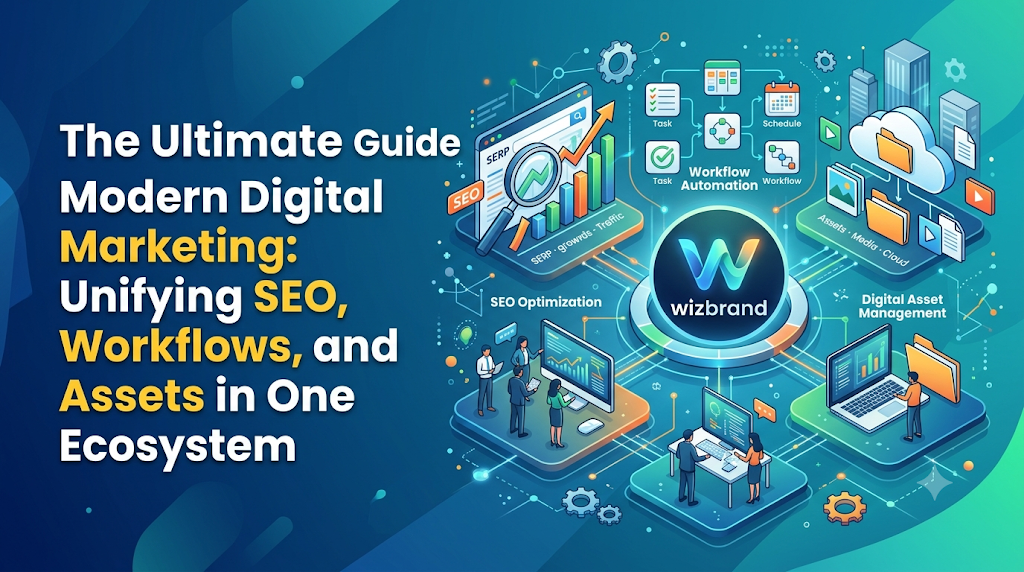
An all-in-one digital marketing platform is an integrated software ecosystem designed to unify core marketing operations under a single administrative and operational umbrella. Instead of subscribing to separate single-point solutions, organizations utilize one platform to manage end-to-end campaigns.
These centralized environments support campaign planning, execution, monitoring, and reporting without requiring constant context-switching. They break down operational silos between SEO teams, content creators, and brand managers.
+-----------------------------------------------------------------------------------+
|                        ALL-IN-ONE DIGITAL MARKETING PLATFORM                       |
+-------------------+-------------------+-------------------+-----------------------+
|  SEO Operations   | Asset Management  | Workflow & Tasks  |  Influencer Network   |
| - Rank Tracking   | - Media Storage   | - Approvals       | - Discovery           |
| - Technical Audits| - Version Control | - Project Boards  | - Campaign Management |
| - Backlink Checks | - Rights & Access | - Resource Alloc. | - ROI Analytics       |
+-------------------+-------------------+-------------------+-----------------------+
                                        |
                                        v
+-----------------------------------------------------------------------------------+
|                          CENTRALIZED DATA & REPORTING                             |
+-----------------------------------------------------------------------------------+
Key functional areas managed within a unified platform include:
- SEO Operations: Consolidating keyword tracking, technical audits, link analysis, and search engine optimization planning.
- Digital Asset Management: Centralizing media libraries, design files, brand guidelines, and version control.
- Workflow Automation: Streamlining task assignments, content review chains, and deadline management.
- Influencer Outreach: Connecting directly with creators, tracking influencer partnerships, and measuring campaign ROI.
- Centralized Reporting: Aggregating performance metrics into automated cross-channel analytics dashboards.
Challenges of Managing Marketing with Multiple Tools
Relying on an assortment of standalone software tools creates significant friction for growing digital marketing teams and agencies.
Disconnected Workflows and Communication Gaps
When creative teams work in one application while technical SEO specialists work in another, alignment quickly degrades. Important task updates get buried in email threads or chat channels, creating operational silos and delaying campaign launches.
Scattered Data and Manual Reporting
Compiling a monthly performance report often requires logging into half a dozen distinct dashboards. Copying and pasting numbers into manual spreadsheets takes up valuable hours and introduces human error into executive reporting.
Inconsistent Collaboration and Duplicate Assets
Without a centralized repository, team members routinely recreate assets that already exist. Designers waste time hunting for updated logos or images, leading to inconsistent branding across digital channels.
Soaring Subscription Costs and Unmanaged Access
Managing dozens of individual software subscriptions inflates software budgets. It also increases administrative overhead as managers struggle to monitor user permissions, seat allocations, and recurring billing cycles.
Introducing WizBrand
To overcome the friction of tool fragmentation, businesses require a centralized operational environment. WizBrand serves as an integrated, all-in-one digital marketing platform that aligns strategy, execution, and performance tracking across teams.
By combining search engine optimization capabilities with project management and asset libraries, WizBrand provides a collaborative workspace for modern digital marketing operations. Rather than forcing teams to juggle disparate tools, it consolidates fundamental workflows into a single system.
Whether you run an internal marketing team or manage client campaigns across an agency, consolidating operations within WizBrand helps maintain brand consistency, eliminate subscription bloat, and improve team productivity.
SEO Management Software
Search engine optimization demands continuous planning, keyword analysis, performance monitoring, and content iteration. An integrated SEO management software suite provides structured frameworks to run search campaigns effectively.
Modern SEO tools help teams align technical optimization with content strategies. By tracking search trends alongside internal task assignments, marketers ensure that technical fixes and content updates are completed on schedule.
Integrated SEO software provides key strategic capabilities:
- Structured Planning: Map keywords directly to target landing pages, strategic campaign initiatives, and designated team assignments.
- Unified Metrics: Analyze organic visibility, search impressions, and keyword movements in one location.
- Task Synchronization: Convert technical site audit recommendations directly into actionable tasks for developers and webmasters.
SEO Rank Tracking Tool
Search engine rankings shift constantly due to algorithm updates, seasonal trends, and competitive movements. An active SEO rank tracking tool gives teams continuous insight into keyword positioning.
Regular rank monitoring allows marketers to measure how recent content updates and technical fixes impact search rankings over time.
Search Engine Results Page (SERP) Monitoring
├── Keyword Visibility Tracking
│   ├── Desktop Positions
│   └── Mobile Positions
├── Competitive Benchmarking
│   ├── Share of Voice (SoV)
│   └── Competitor Rank Fluctuations
└── Historical Trend Analysis
    ├── Algorithm Update Impact
    └── Long-term Performance Trends
Core features of robust ranking tools include:
- Multi-Location Tracking: Monitor search visibility across global, national, and hyper-local target markets.
- Mobile vs. Desktop Analysis: Evaluate performance differences across device types to optimize user experience.
- Competitor Benchmarking: Track ranking movements against key industry competitors to identify emerging search opportunities.
Technical SEO Site Audit Tool
Off-page promotion cannot overcome a site hampered by deep technical issues. A technical SEO site audit tool systematically crawls web properties to surface underlying errors before they harm search rankings.
Technical audits evaluate structural health across critical web standards:
- Indexability & Crawlability: Surface XML sitemap issues, incorrect robots.txt directives, and unwanted canonical tags.
- Core Web Vitals: Measure page loading speed, layout stability, and interactive responsiveness across device types.
- On-Page Optimization: Highlight duplicate meta titles, missing alt text, thin content, and broken internal links.
- Mobile Usability: Verify responsive design standards and tap target spacing across mobile devices.
Catching these technical errors early preserves crawling efficiency and ensures search engine bots index critical business pages properly.
Backlink Analysis Tool
Backlinks remain a primary ranking factor in search engine algorithms. A backlink analysis tool gives marketers clear visibility into their inbound link profiles and domain authority.
               Backlink Profile Analysis
                           │
      ┌────────────────────┼────────────────────┐
      ▼                    ▼                    ▼
Domain Authority    Anchor Text Dist.     Risk Assessment
  & Link Quality     - Branded Ratio       - Toxic Links
  - Ref. Domains     - Target Keywords     - Disavow Files
  - Page Power       - Generic Links       - Spam Score
Comprehensive backlink monitoring helps teams evaluate:
- Link Quality & Relevance: Evaluate referring domain metrics, topical authority, and geographic distribution.
- Anchor Text Profiles: Analyze anchor text ratios to maintain natural distributions and prevent over-optimization penalties.
- Toxic Link Detection: Identify spammy inbound links that could trigger manual action penalties or algorithmic suppressions.
- Competitor Outreach Opportunities: Analyze competitor backlink profiles to discover high-value link-building prospects.
SEO Project Management Software
Standard project management systems often fail to accommodate specialized search engine optimization workflows. Using dedicated SEO project management software bridges the gap between project oversight and technical SEO requirements.
With specialized project management platforms, managers can convert technical audit logs and keyword research insights directly into assigned deliverables with clear deadlines.
Key operational benefits include:
- Specialized Campaign Templates: Standardize workflows for site launches, content refreshes, technical audits, and link outreach.
- Cross-Functional Collaboration: Allow content writers, developers, and SEO strategists to collaborate within shared task threads.
- Milestone Tracking: Monitor progress on multi-month SEO initiatives and keep internal stakeholders aligned.
Digital Marketing Workflow Management Software
Inefficient approval processes slow down content publishing and campaign launches. Utilizing digital marketing workflow management software helps teams automate administrative handoffs and enforce quality standards.
Standardized workflows establish clear responsibility at every stage of campaign production:
[Strategy & Brief] ──> [Content Creation] ──> [SEO & Brand Review] ──> [Executive Approval] ──> [Publishing]
Key features of structured workflow automation include:
- Automated Task Routing: Automatically notify team members when a task moves to their stage in the pipeline.
- Custom Approval Chains: Ensure legal, brand, and technical teams review content before public deployment.
- Resource Allocation Dashboards: Monitor team capacity to prevent burnout and reassign priority tasks quickly.
Digital Asset Management Software for Marketing Teams
As marketing teams produce more visual media, asset organization becomes a common operational bottleneck. Dedicated digital asset management software for marketing teams provides a single, searchable repository for corporate media files.
Centralized asset management eliminates reliance on local desktop storage and unmanaged cloud folders:
- Brand Consistency: Ensure team members access only current, brand-approved logos, typography, and visual assets.
- Metadata & Tagging: Organize visual assets with searchable keywords, usage permissions, and campaign tags.
- Version Control: Track file iterations to prevent outdated or incorrect assets from appearing in live marketing campaigns.
- Granular Rights Management: Manage user permissions for internal staff, external agencies, and freelance creators.
Influencer Marketing Marketplace
Influencer marketing has evolved into a key pillar of modern digital strategies. An integrated influencer marketing marketplace connects brands directly with creators, streamlining discovery and campaign management.
       INFLUENCER CAMPAIGN LIFECYCLE
                    │
┌───────────────────┴───────────────────┐
│ Discovery & Selection                 │
│ - Audience Demographics               │
│ - Niche Relevance & Reach             │
└───────────────────┬───────────────────┘
                    │
┌───────────────────┴───────────────────┐
│ Campaign Execution                    │
│ - Deliverable Scheduling              │
│ - Asset Approval Workflows            │
└───────────────────┬───────────────────┘
                    │
┌───────────────────┴───────────────────┐
│ Performance Measurement               │
│ - Engagement & Click Rates            │
│ - Conversion & Sales Tracking         │
└───────────────────────────────────────┘
Unified influencer management tools support:
- Creator Discovery: Filter creators by audience demographics, engagement rates, geographic location, and content focus.
- Campaign Collaboration: Manage briefs, content approvals, publish dates, and payment schedules within a shared dashboard.
- Performance Tracking: Measure engagement, referral traffic, and direct conversions generated by influencer partnerships.
SEO Software for Agencies
Digital marketing agencies face unique operational demands, including managing multiple client brands, delivering clear performance reports, and maintaining strict client communication boundaries. Utilizing dedicated SEO software for agencies helps teams scale these operations efficiently.
Agency-focused features streamline account management:
- White-Label Reporting: Build customized performance reports featuring client branding, customized metrics, and automated email schedules.
- Multi-Tenant Account Management: Switch between separate client environments while maintaining granular permission boundaries.
- Scalable Client Dashboards: Provide clients with direct access to custom performance portals, reducing manual status requests.
Real Business Use Cases
Integrated marketing software adapts to fit different business structures and operational needs.
1. Marketing Agencies
Agencies use integrated platforms to manage client projects, schedule content assets, audit technical SEO issues, and generate automated performance reports from a single administrative workspace.
2. Ecommerce Brands
Ecommerce businesses coordinate large product catalogs by matching keyword strategies to category pages, managing promotional product media, and monitoring technical site performance across thousands of dynamic URLs.
3. SaaS Companies
SaaS marketing teams rely on unified software to execute content marketing campaigns, manage feature launch assets, monitor organic feature keywords, and streamline editorial review workflows.
4. Enterprise Organizations
Enterprises maintain brand consistency across distinct sub-brands and regional teams by enforcing standardized asset permissions, cross-channel workflows, and centralized reporting.
5. Small Businesses and Startups
Growing businesses conserve capital by consolidating disparate tools into one platform, reducing software expenses while establishing structured marketing workflows early.
Traditional vs. Integrated Workflows
Moving from standalone software applications to an integrated digital marketing platform changes how teams manage daily operations:
| Workflow Area | Traditional Disconnected Workflow | Integrated Digital Marketing Platform |
|---|---|---|
| Data Synchronization | Manual data exports and copy-pasted spreadsheets | Automatic data sync across analytics and task boards |
| Asset Storage | Scattered local folders and personal cloud links | Centralized media repository with permission management |
| SEO Oversight | Standalone rank checkers disconnected from tasks | Direct conversion of SEO insights into assigned tasks |
| Collaboration | Long email chains and fragmented messaging threads | Centralized, task-based comment threads and approvals |
| Software Cost | Multiple individual user seats and separate billing | Consolidated platform tier with managed user permissions |
Feature Comparison: Standalone Tools vs. WizBrand
Comparing single-point software tools against a unified platform highlights clear operational differences:
| Capability | Multiple Standalone Tools | WizBrand Unified Platform |
|---|---|---|
| All-in-One Dashboard | No (Requires multiple user logins) | Yes (Single administrative portal) |
| Keyword & Rank Tracking | Dedicated third-party tool needed | Integrated real-time rank tracking |
| Technical Site Auditing | Separate auditing application required | Native technical audit capabilities |
| Backlink Monitoring | Specialized link analysis subscription | Built-in backlink analysis tools |
| Digital Asset Library | Third-party cloud drive or DAM required | Centralized asset management suite |
| Workflow Automation | External project software required | Built-in task and approval routing |
| Influencer Marketplace | Standalone agency or discovery tool | Built-in influencer marketplace |
| Agency White-Labeling | Premium add-on across multiple tools | Standard multi-tenant agency support |
Why Unified Marketing Platforms Are the Future
The digital marketing industry is shifting away from fragmented software stacks. As channels expand, maintaining distinct software tools for every individual task is no longer sustainable.
       THE UNIFIED ADVANTAGE
                 │
  ┌──────────────┼──────────────┐
  ▼              ▼              ▼
Higher       Consistent     Scalable
Efficiency   Data Quality   Growth
The long-term move toward platform integration is driven by core operational advantages:
- Improved Team Efficiency: Eliminating constant app-switching keeps creative and technical staff focused on execution.
- Consistent Data Quality: A single source of truth prevents conflicting metrics across different department reports.
- Operational Scalability: Unified platforms let organizations onboard new team members and add client accounts without restructuring their underlying software stack.
- Lower Administrative Overhead: Managing one platform relationship simplifies IT oversight, billing, and user access control.
Best Practices for Platform Implementation
Adopting a unified marketing platform requires clear organizational planning. Follow these best practices to ensure a smooth transition:
1. Audit Existing Workflows First
Document your team’s current software stack, operational bottlenecks, and recurring costs before migrating. Identify priority features to migrate first.
2. Standardize Asset Metadata Early
Establish clear file naming conventions and category tags before uploading media into your new central library to maintain clean asset organization from day one.
3. Connect SEO Data to Content Workflows
Train content writers to reference real-time keyword research and technical audit guidelines directly within their project management tasks.
4. Establish Role-Based Permissions
Configure administrative privileges carefully. Ensure team members, external contractors, and agency clients have appropriate access levels to sensitive assets and data.
5. Automate Recurring Performance Reports
Set up white-label reporting templates and automated distribution schedules early to save time on monthly stakeholder updates.
Frequently Asked Questions
What is an all-in-one digital marketing platform? An all-in-one digital marketing platform is a unified software ecosystem that combines search engine optimization tools, project management frameworks, digital asset libraries, and performance reporting within a single administrative workspace.
How does unified software reduce marketing costs? Consolidating operations into one platform eliminates redundant tool subscriptions, reduces administrative management overhead, and lowers overall software expenditure.
Can an integrated platform replace dedicated SEO tools? Yes. Comprehensive platforms include built-in rank tracking, technical site auditing, keyword research, and backlink analysis capabilities, replacing the need for separate standalone SEO subscriptions.
Why is digital asset management important for marketing teams? Centralized asset management ensures brand consistency across channels, prevents file duplication, protects copyrighted media, and helps team members quickly find approved design files.
How do workflow management features improve team productivity? Workflow automation routes tasks automatically, manages review approvals, sets clear deadlines, and eliminates communication gaps across departments.
How do marketing agencies benefit from unified platforms? Agencies leverage unified platforms to manage multiple client accounts from a single dashboard, deliver white-label reporting, manage user access permissions, and coordinate campaigns at scale.
What technical SEO issues can a site audit tool detect? Technical audit tools identify broken links, crawl errors, improper canonical tags, page speed bottlenecks, missing metadata, mobile layout issues, and Core Web Vitals failures.
How does rank tracking support content strategy? Monitoring keyword positions helps marketers measure the real-world impact of content updates, identify dropping positions that require refreshes, and spot emerging search trends.
What is an influencer marketing marketplace? An influencer marketplace is a built-in network where brands discover content creators, negotiate campaign briefs, manage deliverable schedules, and track partnership ROI.
Is an all-in-one platform suitable for small businesses? Yes. Small businesses benefit from simplified software management, affordable consolidated pricing, and structured marketing workflows that grow alongside their operations.
Conclusion
Managing modern digital marketing operations requires clarity, collaboration, and cohesive execution. Relying on disconnected tools leads to scattered data, operational friction, and wasted budget.
Adopting an integrated solution—such as an all-in-one digital marketing platform—enables teams to unify technical SEO management, campaign workflows, asset libraries, and analytics within a single source of truth.
Platforms like WizBrand help organizations streamline team workflows, maintain brand consistency, and execute campaigns with greater efficiency. Modernizing your software stack gives your team the infrastructure needed to focus on strategic, scalable growth.

